Transparent processes – better products – higher productivity
It forms a bridge between the machine level, MES layer, and ERP systems, creating transparency across every production step.
Through this integration, resources are used more efficiently, lead times are reduced, and downtime is minimized.
Integration and Connectivity
proCMES can be flexibly integrated into existing IT and automation infrastructures. Through standardized interfaces to ERP systems and plant control systems, data is processed bidirectionally. The result is a unified information base for planning, control, and reporting.
Data Analysis and Process Optimization
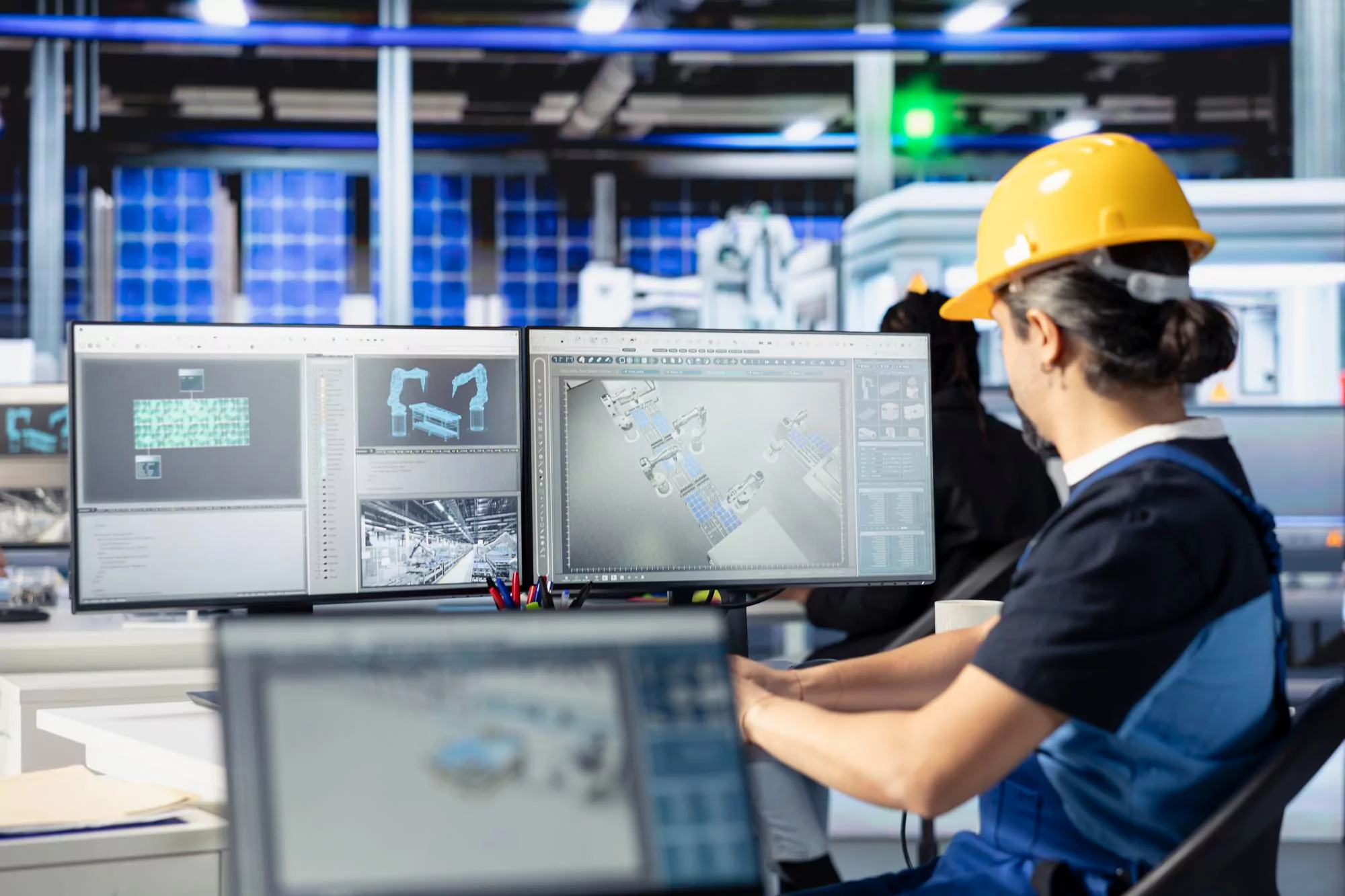
The integrated real-time data analysis immediately identifies deviations and supports targeted corrective actions. This provides up-to-date key performance indicators for quality, productivity, and energy efficiency across your production facilities.
Key Benefits of proCMES at a Glance
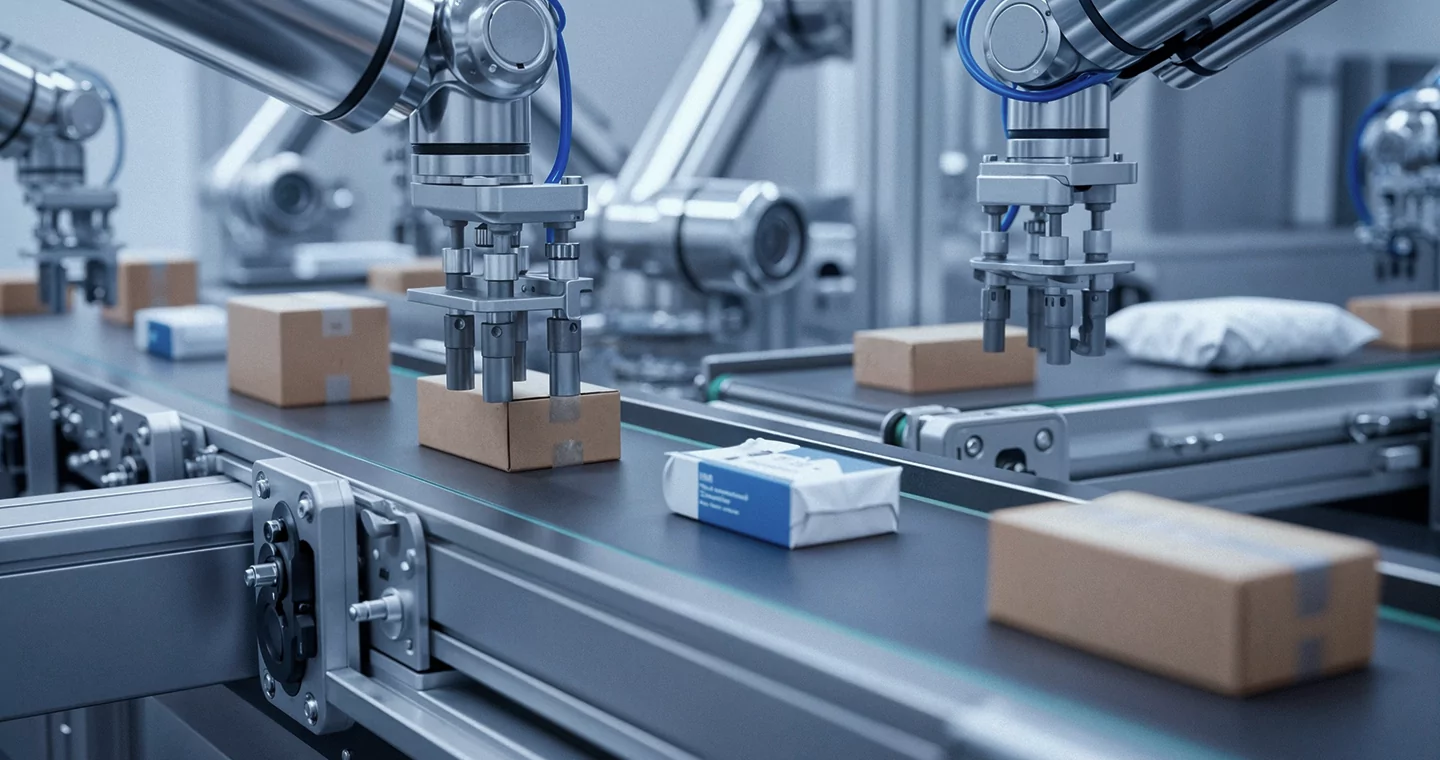
On this basis, material flow becomes significantly more efficient. Materials can be provided more in line with demand, and consumption can be accurately assigned. This reduces inventories, minimizes unnecessary internal transport, and lowers warehouse movements. At the same time, the production control system supports shorter throughput times. Coordination efforts and queries are reduced, workflows become more structured, and bottlenecks are identified earlier.
Another key advantage is seamless traceability: process and production data can be documented on an order- or batch-related basis. This significantly facilitates quality assurance, compliance documentation, and complaint handling. By optimally utilizing production resources—such as improved planning, more stable processes, and reduced downtime or search times—measurable cost savings are achieved.
In addition, proCMES helps avoid interfaces and data redundancies by eliminating the need to maintain data multiple times in different systems. This reduces media discontinuities, minimizes error potential, and creates a consistent data basis for production, quality, and reporting.
- Transparency in Manufacturing
- Optimized material flow, reduced inventory levels, and minimized warehouse movements
- Reduced lead times
- Seamless traceability of products
- Cost savings through optimal utilization of production resources
Production Control System for Your Industry
A production control system must not only work technically—it must fit the real-world requirements of the respective industry.
proCtec combines automation expertise with in-depth industry-specific process knowledge. This enables proCMES to be tailored to the requirements of different industrial sectors.
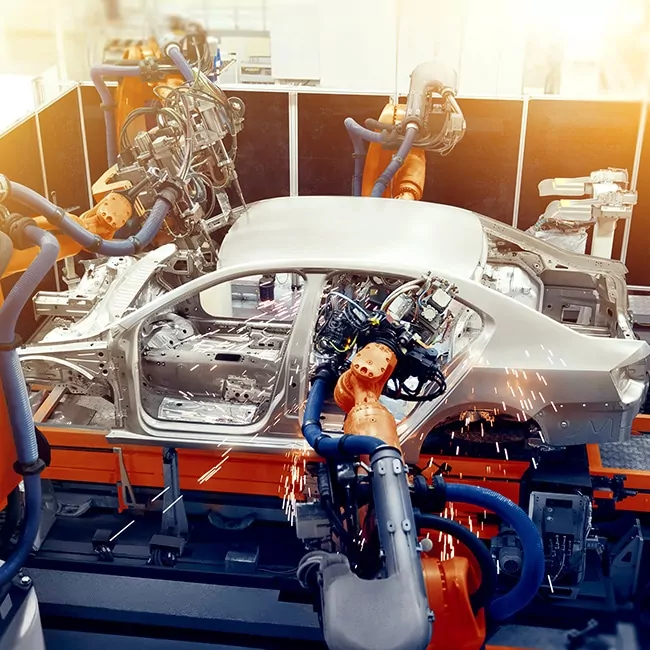
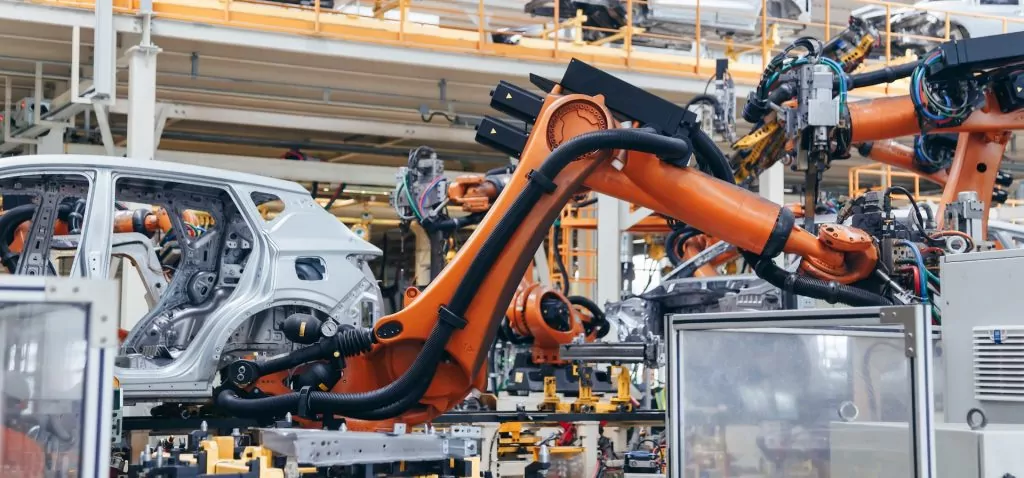
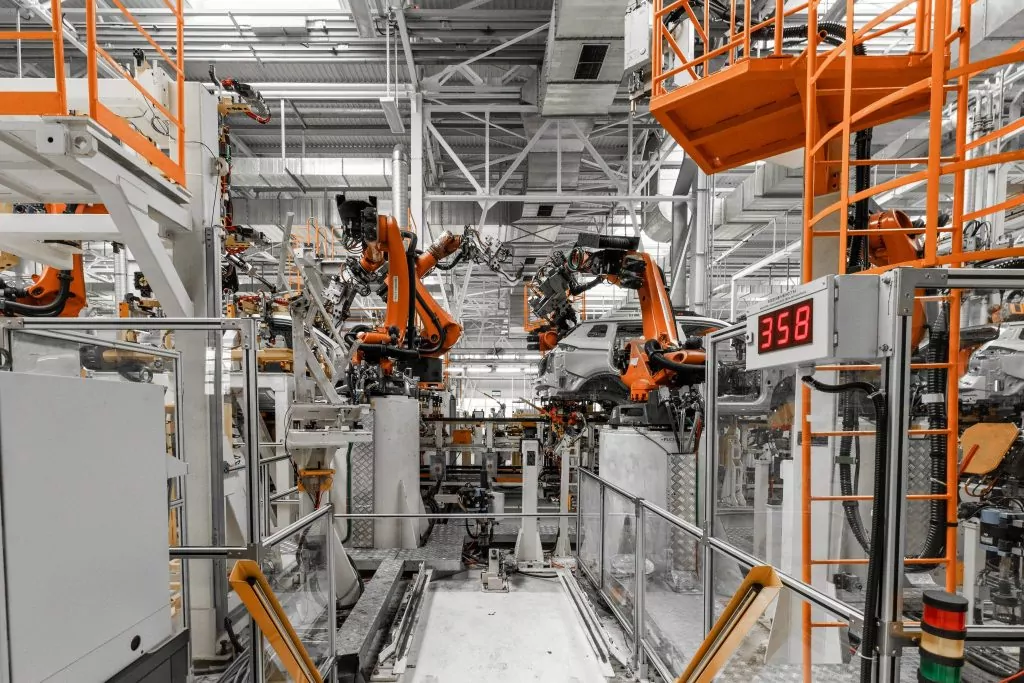
AUTOMOTIVE INDUSTRY
A production control system supports reliable production management, enables early detection of bottlenecks, and continuously improves system availability and process quality.
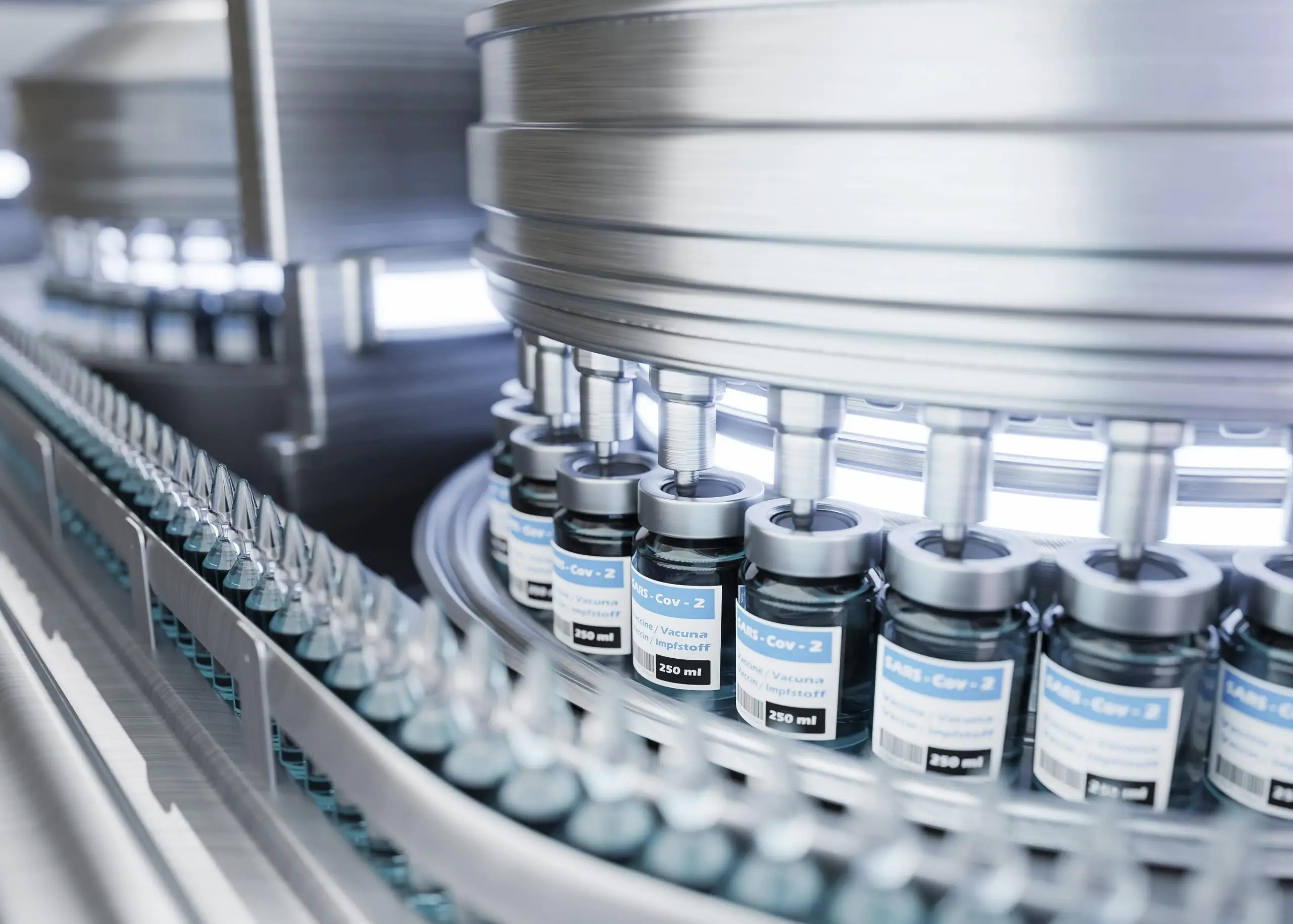
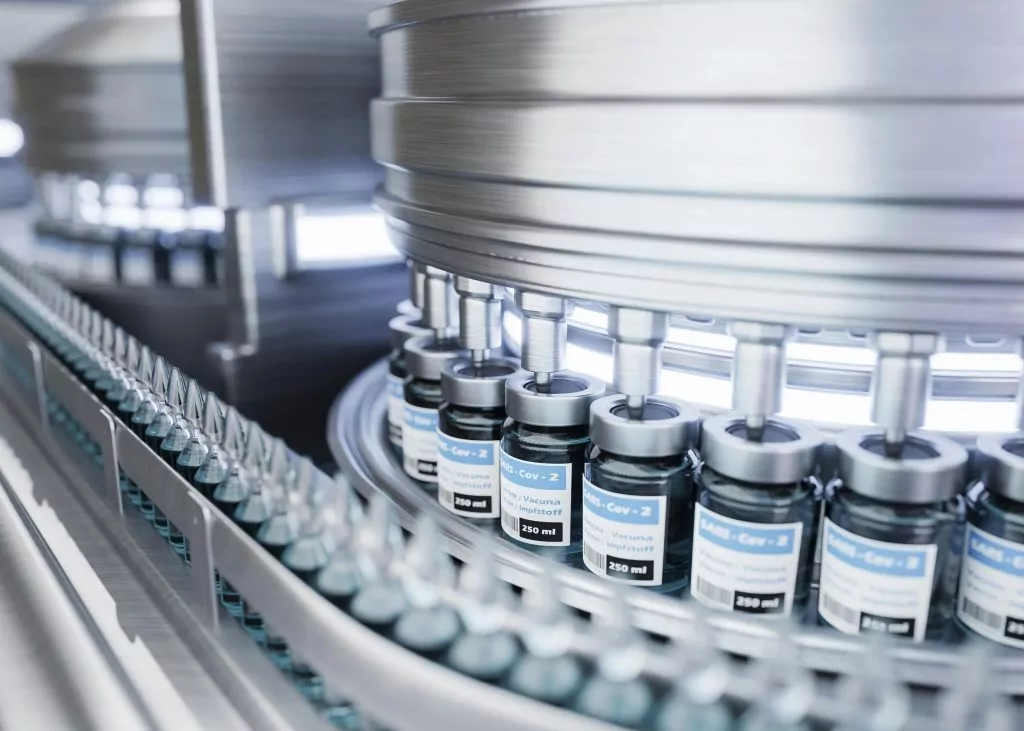
CHEMICAL & PHARMACEUTICAL
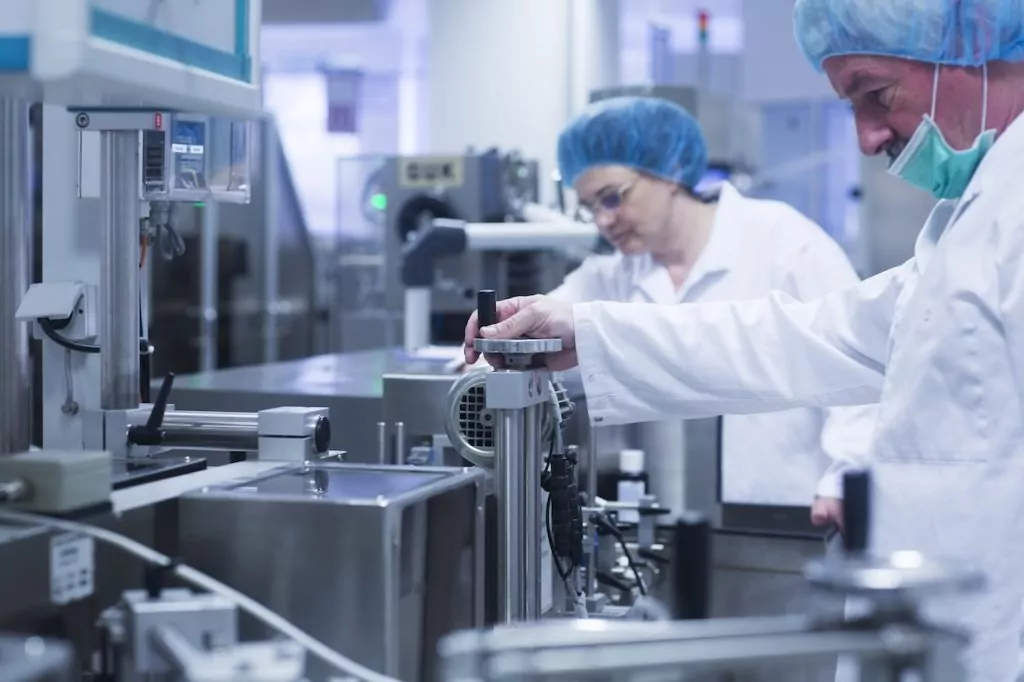
In regulated and safety-critical environments, documentation, process reliability, and traceability are essential.
A production control system (MES) provides the foundation for consistently capturing batch and process data, documenting it in a traceable way, and making it usable for quality assurance and reporting.
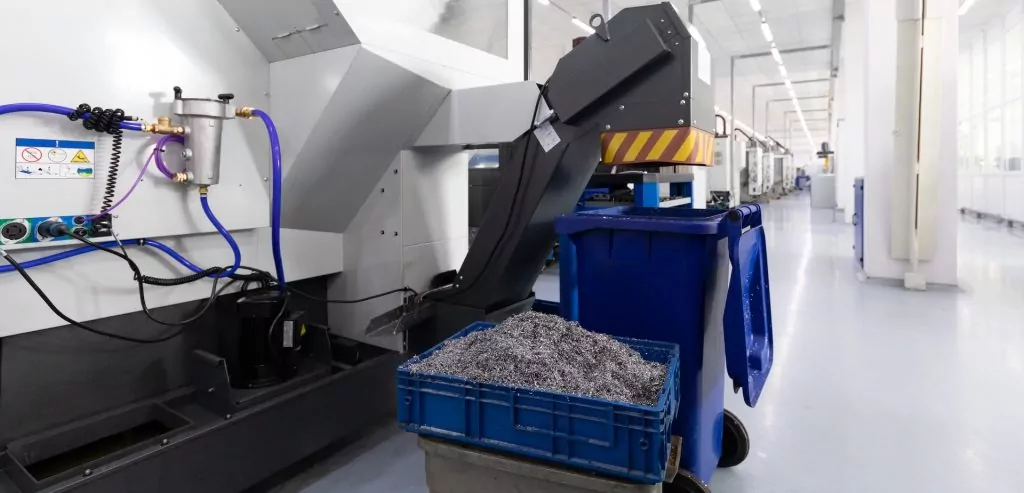
RUBBER & PLASTICS INDUSTRY
In practice, reproducible processes, recipe and material transparency, and accurate production documentation are key factors for quality and scrap reduction.
proCMES supports the standardization of workflows, the analysis of process data, and the measurable improvement of production performance.

FOOD MANUFACTURING
Consumer demands for transparency and quality are increasing—while cost pressure and efficiency requirements must still be met.
A production control system helps to structure production data and strengthen traceability. At the same time, it supports better coordination of processes across production, packaging, and logistics.

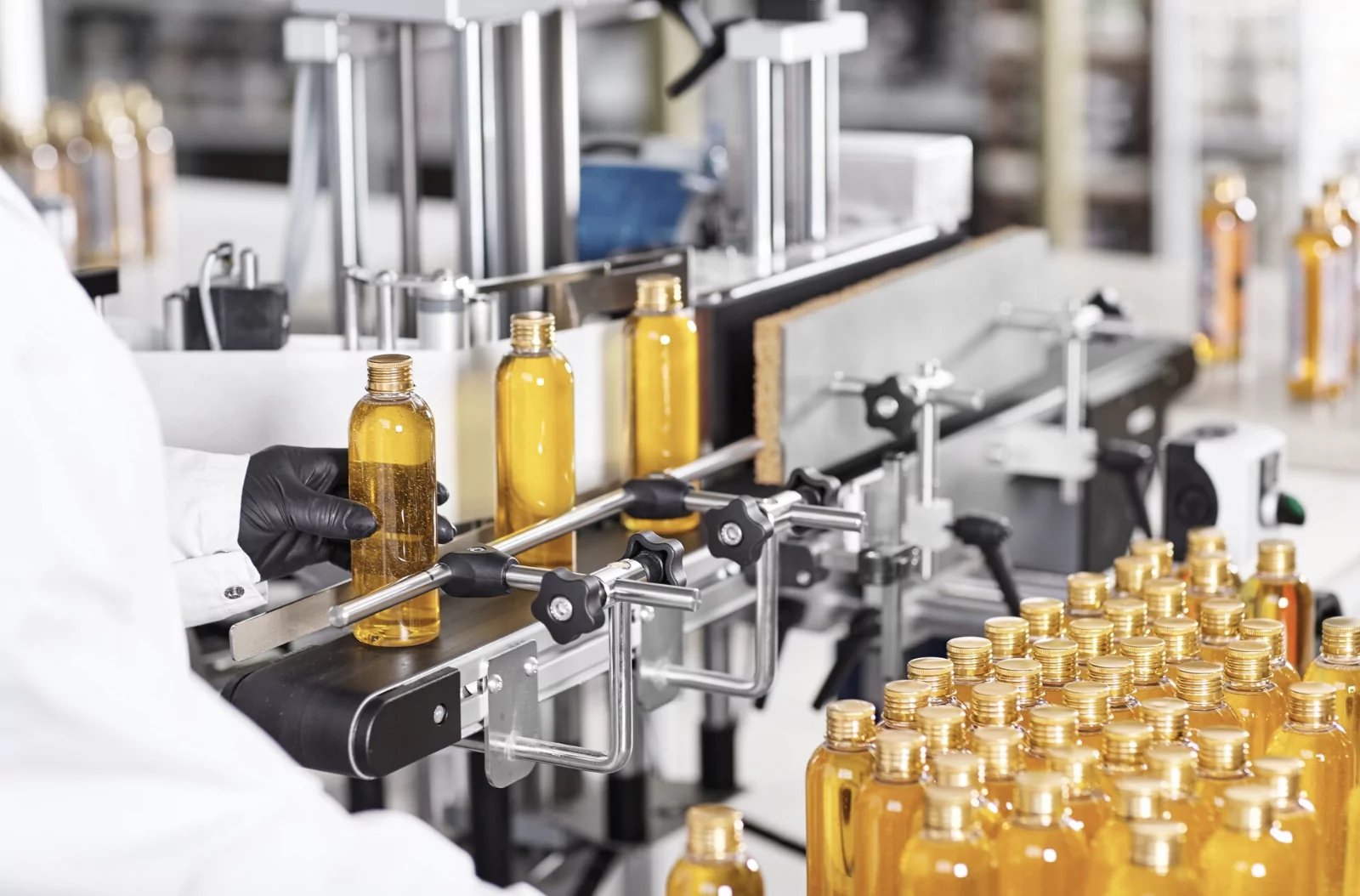
CONSUMER GOODS INDUSTRY
Short product life cycles, fluctuating demand, and frequent changeovers require highly flexible processes. A production control system provides transparency over orders and resources.
It supports faster process adjustments—without compromising production stability.
Batch Processes as a Complement: proCflex and proCbatch
proCflex
For batch-oriented manufacturing, proCMES as a production control system can be extended with suitable batch components depending on the target architecture.
proCflex is an intelligent batch management system based on ISA-88 (S88) with flexible functional modules (phases/transfers) and recipe management.
This is how the implementation of proCMES with proCtec works
This ranges from initial analysis and engineering through commissioning to operation, maintenance, and 24/7 service.
The process is structured in a way that ensures all stakeholders share a common understanding from the outset, requirements are clearly documented, and implementation remains fully transparent and predictable.
PLANNING & CONCEPTUAL DESIGN
Together, we analyze your process requirements. Our experts evaluate suitable products and technologies and develop a high-level concept and functional specification as the basis for technical evaluation and initial cost estimation.
Based on this, we define all automation-related aspects in the system specification, including process visualizations, measurement points, standard modules, function blocks, archiving, and logging requirements.
This helps avoid misunderstandings while saving both time and costs. Finally, you receive a detailed proposal including components, costs, compatibility considerations, and available options or alternatives.
ENGINEERING & DEVELOPMENT
We select the appropriate automation components (hardware and software) and develop the overall project architecture.
This includes software engineering, database development where required (with Oracle and Microsoft SQL Server as standard platforms), as well as switchgear construction and installation in collaboration with our partners.
Before delivery, we validate the solution through a Factory Acceptance Test (FAT) based on the agreed specifications and demonstrate all functions step by step.
INSTALLATION & COMMISSIONING
On site, we take responsibility for installation and commissioning.
Before go-live, we conduct a Site Acceptance Test (SAT) together with your team.
The entire system is thoroughly tested for safety and functionality, and all results are comprehensively documented.
OPERATION, MAINTENANCE & 24/7 SERVICE
Even after commissioning, we remain by your side. Our service team helps maximize safety, performance, and cost efficiency—with a focus on sustainable cost reduction, increased productivity, and compliance with quality standards.
24/7‑Service
Optional 24/7 support, 365 days a year, is available with individually defined service packages, including remote monitoring and diagnostics, agreed response times, and support outside regular business hours.
You will also receive a maintenance agreement in which service activities and maintenance intervals are jointly defined.
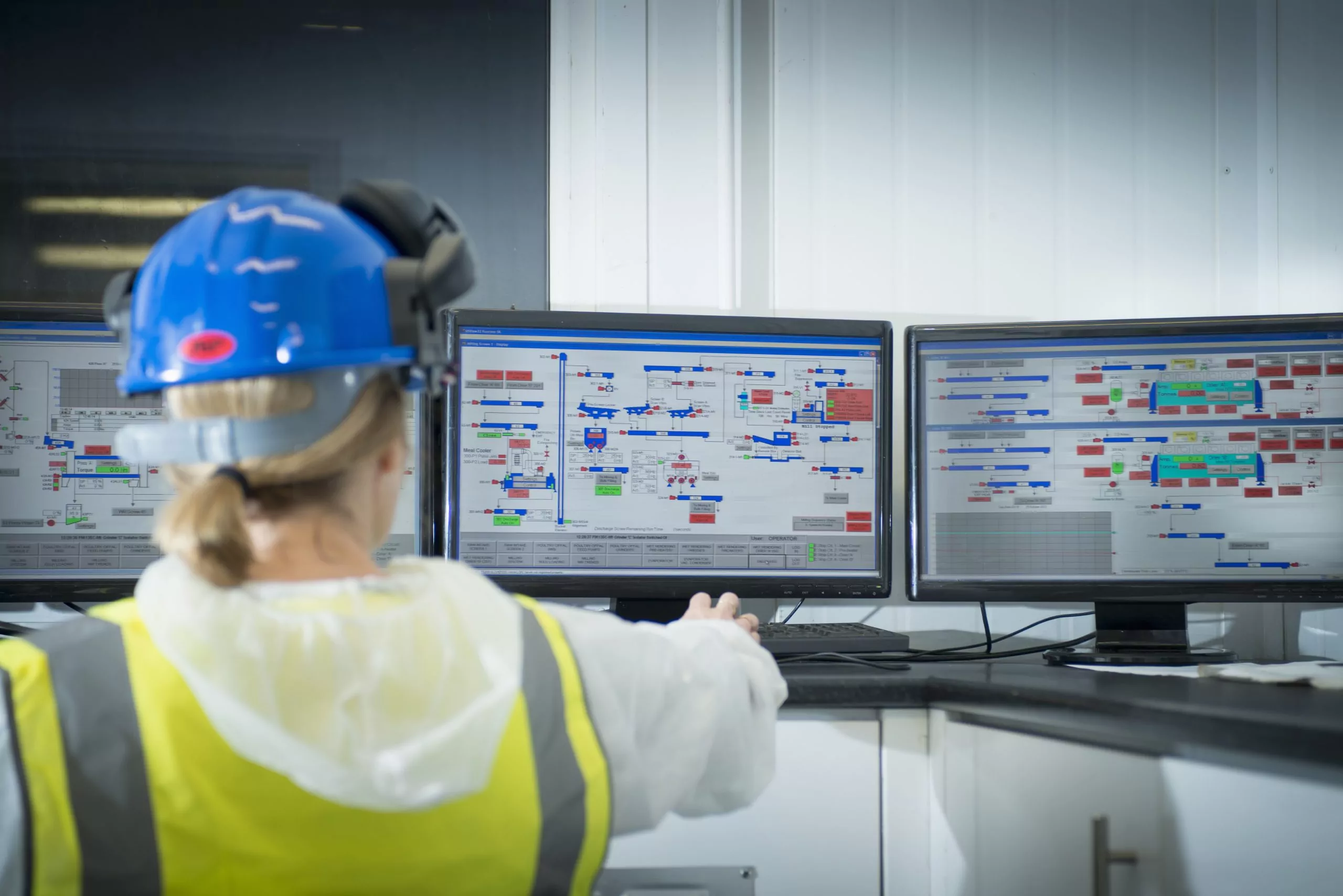
Implementing proCMES as Your Production Control System
As an experienced provider of automation solutions, proCtec has many years of expertise in the development of production management systems.
Our company combines technical know-how, commercial thinking, and deep process expertise to deliver integrated solutions with sustainable long-term value.
proCtec develops solutions that support the entire lifecycle of your production facilities—from planning and integration through to ongoing operation.
Drawing on experience from numerous projects in the process and manufacturing industries, as well as certified quality management in accordance with DIN EN ISO 9001:2015, proCtec ensures a high level of reliability and long-term investment security.



Discover further solutions by proCtec
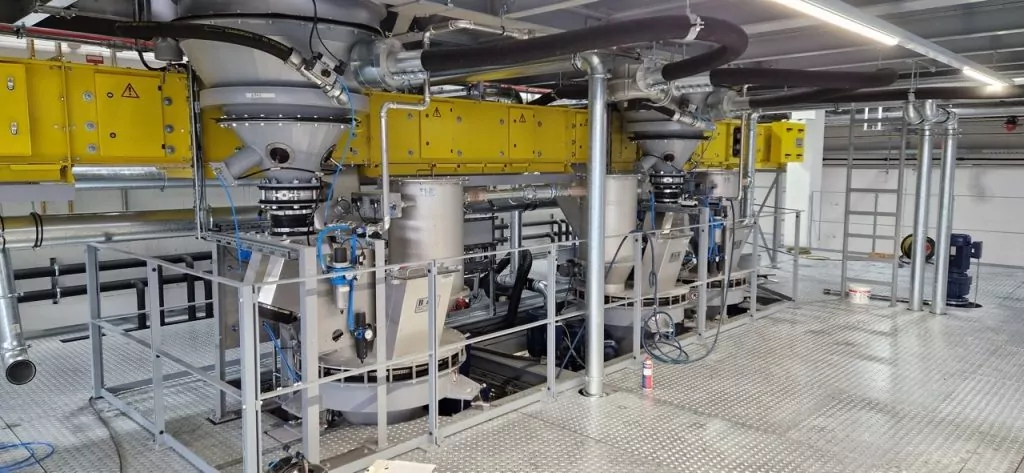

In-Depth Industry Expertise









FAQ About Production Control Systems
A production control system is a software solution used to plan, control, and monitor manufacturing operations. It is often referred to as a Manufacturing Execution System (MES). Its primary purpose is to increase production transparency, capture and utilize data effectively, and make manufacturing processes more efficient and reliable.